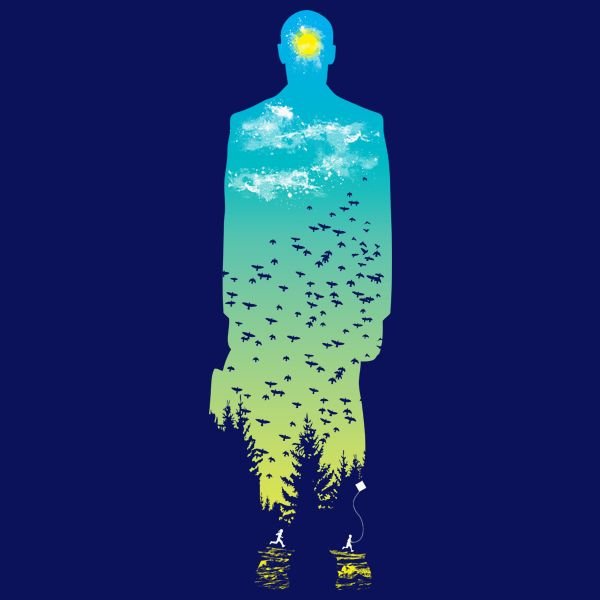
We live in a world obsessed with youth. From flawless filters to "anti-aging" creams, the message is clear: defy time, resist the inevitable. But what if this relentless chase for eternal youth isn't just futile, but actually blinds us to the profound beauty and wisdom inherent in growing older? The tension between the Themes of Eternal Youth vs. Adulthood isn't merely a philosophical debate; it's a deeply human struggle with profound implications for our individual lives, our relationships, and the very fabric of society. This isn't about giving up on vitality; it's about reframing our perspective to embrace every stage of life, discovering the grace that comes with aging.
At a Glance: Navigating the Journey of Adulthood
- The Youth Obsession: Our culture often romanticizes youth, creating anxiety about aging and setting unrealistic beauty standards.
- Aging's Complex Nature: It's a multifaceted process involving biological, psychological, and genetic changes, heavily influenced by lifestyle.
- Cultural Divides: Some societies revere elders for wisdom, while others dismiss or stigmatize them, often fueled by media portrayals.
- Ethical Crossroads: The quest for eternal youth raises concerns about access, safety, mental health, and how we value productivity versus wisdom.
- Conquering Fear: Common anxieties about aging can be overcome through lifelong learning, strong relationships, and mindfulness.
- The Power of Connection: Relationships evolve, offering opportunities for intergenerational mentoring and community support.
- Embracing a New Paradigm: Shifting our mindset to view aging as growth, fulfillment, and an opportunity for new pursuits is crucial for an inclusive society.
The Siren Song of Agelessness: Why We Chase Youth
Look around, and you'll see it everywhere: the myth of eternal youth, deeply ingrained in our collective psyche. It’s a powerful narrative, fueled by media portrayals of youthful vigor and beauty as the ultimate ideal. This isn't a new phenomenon; humanity has dreamt of immortality for millennia. Think of ancient myths featuring ambrosia, the elixir of life, or even contemporary pop culture where characters like The Lost Boys of Peter Pan choose to remain perpetually young.
This cultural fixation, however, comes with a steep price. It generates immense anxiety about aging, pushing people towards a constant battle against the natural progression of time. We see it in the booming cosmetic industry, the desperate search for anti-aging supplements, and the underlying fear many harbor about losing their vitality and relevance. This fixation on youth creates unrealistic societal standards, subtly telling us that our worth diminishes with each passing year. But beneath the surface, what are we really fighting against?
Beyond the Wrinkles: The Multifaceted Reality of Growing Older
Aging isn't a singular event; it's a continuous, dynamic process impacting every fiber of our being. Understanding its layers helps us move beyond simplistic fears and appreciate its complexity.
The Biological Blueprint: How Our Bodies Change
On a fundamental level, aging involves biological deterioration. Our cells gradually accumulate damage, leading to noticeable changes. Telomeres, protective caps on our chromosomes, shorten with each cell division, eventually halting replication. Oxidative stress, caused by an imbalance of free radicals and antioxidants, damages cells and tissues. Genetic mutations, too, accumulate over time, contributing to cellular decline.
However, it's not a predetermined sentence. Genetic predispositions play a role, influencing how rapidly or gracefully we age, but lifestyle choices hold immense power. A balanced diet, regular exercise, adequate sleep, and effective stress management aren't just buzzwords; they are scientifically proven levers that can significantly impact the aging process, mitigating some of its harsher effects.
The Inner Landscape: Psychological and Cognitive Shifts
As our bodies change, so too do our minds and emotions. Cognitive shifts are a natural part of aging, often involving some decline in processing speed or short-term memory. However, many aspects of cognition, like vocabulary, wisdom, and emotional regulation, can actually improve with age. Emotional fluctuations might occur, but many older adults report greater emotional stability and resilience compared to their younger selves.
These psychological changes aren't inherently negative. They represent an evolution of self, a refining of perspective gained through decades of experience. It's a journey of adaptation, where new challenges can spark new strengths and deeper insights.
Culture's Double-Edged Mirror: How Societies View Aging
Our individual experiences of aging are heavily shaped by the cultural lens through which we view it. This lens varies wildly across the globe and throughout history.
From Reverence to Dismissal: Historical Perspectives
Historically, the perception of elders wasn't uniform. In ancient Greece and Rome, older individuals were often revered for their wisdom, seen as the repositories of knowledge and experience vital for community guidance. Figures like Socrates epitomized this value, championing age-gained wisdom as a pinnacle of human development.
Contrast this with some Eastern cultures, where aging was sometimes associated with decline or elders were seen as burdens, particularly in times of scarcity. These varied historical views highlight that our current struggles with aging are not universally fixed but culturally constructed.
The Media Machine and the Stigma of Ageism
In many modern Western societies, media plays a significant role in perpetuating unrealistic youth ideals. Advertisements, film, and television often prioritize youthful beauty and vitality, subtly (or not so subtly) implying that older individuals are less attractive, less capable, or less relevant.
This constant reinforcement contributes to ageism – discrimination and prejudice against individuals based on their age. Ageism manifests in various forms:
- Employment: Older workers face unfair dismissal or difficulty securing new jobs.
- Healthcare: Medical concerns of older adults are sometimes dismissed as "just part of aging."
- Social Interactions: Older individuals are often patronized or ignored.
Challenging these pervasive stereotypes is vital, and there are concrete strategies for overcoming ageism in the workplace and in society at large that we can all employ. We need to shift away from narratives that devalue older individuals and instead recognize the rich contributions they continue to make.
The Ethical Tightrope: When the Quest for Youth Collides with Morality
The allure of eternal youth, coupled with advancements in science and technology, inevitably leads us to complex ethical dilemmas. How far should we go to extend life or maintain a youthful appearance? What are the broader societal implications?
Cosmetic Fixes vs. Health and Self-Acceptance
The booming cosmetic procedure industry prioritizes aesthetics, promising to erase the visible signs of aging. While personal choice is paramount, the underlying pressure to conform to youthful ideals can overshadow genuine health and self-acceptance. These procedures often come with risks, both physical and psychological, fostering an unending chase for an unattainable ideal.
Anti-Aging Technologies: Hopes and Hurdles
Emerging anti-aging technologies, from gene therapies to pharmacological interventions, hold the promise of extending healthy lifespans. But they also raise serious ethical questions:
- Accessibility: Will these technologies only be available to the wealthy, exacerbating social inequalities?
- Safety: What are the long-term, unforeseen side effects of manipulating fundamental biological processes?
- Societal Impact: How would a dramatically extended lifespan impact population growth, resource allocation, and social structures?
These questions are not easily answered. Moral philosophies like utilitarianism, which might prioritize the productivity of extended life, often clash with virtue ethics, which emphasize respect for all stages of life and the inherent dignity of individuals, regardless of their "usefulness." Society has a profound ethical responsibility to treat the elderly with dignity, recognizing their often-undervalued wisdom and experience.
The Mental Health Toll of Youth Pressure
The relentless societal pressure to remain young can have a devastating impact on mental health. It can lead to body dysmorphia, anxiety, depression, and a diminished sense of self-worth as individuals perceive themselves falling short of an unattainable ideal. Fostering an environment of self-acceptance and celebrating the natural progression of life is crucial for psychological well-being at every age.
Confronting the Fears: Navigating the Emotional Landscape of Growing Older
It's natural to harbor fears about aging. Many worry about losing independence, grappling with health issues, or becoming irrelevant in a rapidly changing world. These anxieties are valid, but they don't have to define your experience.
Dispelling Myths: The Reality of "Successful Aging"
The concept of "successful aging" isn't about avoiding wrinkles or staying forever young. Instead, it emphasizes maintaining physical health, mental well-being, and social engagement as we age. It's about maximizing your potential and satisfaction in later life. This involves proactive steps rather than passive acceptance of decline.
Strategies for a Positive Outlook: Cultivating Grace
You have significant agency in shaping your aging experience. Here are some strategies that empower you to cultivate a positive outlook and find grace in the process:
- Lifelong Learning: Keep your mind active. Learn a new language, take up a hobby, delve into a new subject. Continuous learning sharpens cognitive function and fosters a sense of purpose.
- Cultivate Relationships: Strong social connections are a cornerstone of well-being at any age. Nurture existing friendships, connect with family, and seek out new social opportunities.
- Practice Mindfulness: Being present and appreciating the moment can reduce anxiety about the future and regret about the past. Mindfulness helps you savor life as it unfolds.
- Stay Physically Active: Regular exercise, tailored to your abilities, helps maintain strength, flexibility, and cardiovascular health. It's one of the most effective practical strategies for healthy aging and boosting mood.
- Embrace Adaptation: Life constantly changes. Embrace new routines, adjust expectations, and find creative solutions to challenges. Resilience is key.
- Find Purpose: Whether it’s volunteering, mentoring, or pursuing a passion, having a sense of purpose adds meaning and joy to life.
The Evolving Tapestry of Relationships: Connection Across Generations
As we age, our relationships naturally evolve. Responsibilities shift, health needs change, and our perspectives deepen. However, this evolution often brings opportunities for richer, more meaningful connections.
The Gift of Guidance: Mentoring and Intergenerational Bonds
Older individuals possess a wealth of experience and wisdom that can be invaluable to younger generations. Mentoring relationships, whether formal or informal, offer a unique exchange: younger individuals gain guidance and perspective, while older individuals experience renewed purpose and connection. Recognizing the incredible benefits of intergenerational relationships is crucial for building stronger communities. These bonds bridge generational gaps, fostering mutual understanding and respect.
Community Support: Mitigating Isolation
One of the significant challenges older adults can face is social isolation. Changes in mobility, loss of loved ones, or shifts in social circles can lead to loneliness. This is where robust community support becomes indispensable. Access to senior centers, community programs, volunteer opportunities, and accessible public spaces can significantly mitigate isolation and enhance the quality of life for older individuals. Building inclusive communities that actively involve and support all age groups benefits everyone.
A New Narrative: Embracing Aging as a Journey of Growth
The time has come for a new paradigm, one that actively challenges existing aging stereotypes and promotes positive narratives. Instead of viewing aging as a decline, we should see it as an opportunity for continued growth, fulfillment, and the pursuit of new passions.
This shift isn't just about individual mindset; it's about societal change. We need to advocate for policies that prioritize:
- Comprehensive Healthcare: Ensuring accessible, high-quality care that addresses the unique needs of older adults.
- Robust Social Services: Providing support systems that enable independence, dignity, and well-being.
- Community Engagement: Creating environments where older adults can remain active, contribute, and feel valued.
Embracing aging means acknowledging its inherent beauty and wisdom. It means valuing the stories etched in every wrinkle, the resilience gained through every challenge, and the perspective honed over a lifetime. It's about fostering an inclusive society that celebrates individuals at every stage of life, recognizing that each chapter holds its own unique value and contribution.
Your Path Forward: Cultivating a Graceful Adulthood
Ultimately, the choice is yours. Will you succumb to the anxieties fueled by an unrealistic fixation on eternal youth, or will you embrace the journey of adulthood with curiosity, resilience, and grace?
Cultivating a graceful adulthood isn't about pretending aging doesn't happen; it's about leaning into it. It's about finding joy in new experiences, nurturing meaningful connections, continuing to learn, and contributing your unique wisdom to the world around you. This means:
- Challenging your own internal biases: What stereotypes about aging do you hold?
- Seeking out positive role models: Who are the older adults living vibrant, fulfilling lives?
- Investing in your physical and mental health: These are the foundations for a rich life at any age.
- Advocating for an age-inclusive society: Your voice matters in shaping a world that values all its members.
The themes of eternal youth and adulthood aren't mutually exclusive. You can pursue vitality and health while simultaneously embracing the wisdom and perspective that only comes with time. The true grace lies not in stopping the clock, but in living fully and authentically through every single tick.