The Boy Who Wouldn't Grow Up: Deconstructing Peter Pan's Leadership and the Lost Boys' Ever-Changing Dynamic
The call of Neverland is timeless—a place where adventure reigns, mermaids sing, and the shadow of adulthood never falls. At its heart lies Peter Pan, the eternal boy, and his devoted cadre, the Lost Boys. Their saga is far more than a whimsical tale; it’s a fascinating, complex study in Peter Pan's Leadership & The Lost Boys' Dynamic, revealing profound insights into charisma, autonomy, and the bittersweet dance between freedom and responsibility.
From their wild, unsupervised escapades to their unspoken yearning for a mother's touch, the Lost Boys embody a primal yearning for belonging, all while navigating the exhilarating, often chaotic, influence of their peculiar leader. To understand their world is to peer into the very essence of childhood and the intricate ties that bind a group around an extraordinary figure.
At a Glance: Key Takeaways from Neverland's Leadership Lab
- Peter's Leadership is Paradoxical: Charismatic and adventurous, but also forgetful, self-centered, and resistant to growth in himself and others.
- The Lost Boys' Core Identity: Pre-teen boys, wild, ill-behaved, lacking adult supervision, and frequently harboring a hidden desire for a "mother."
- Originals vs. Adaptations: While Barrie's original Lost Boys (Tootles, Nibs, Slightly, Curly, The Twins) had distinct personalities and eventual adult fates, later adaptations have radically diversified their numbers, origins, and even included girls.
- The "Mother" Figure's Role: Crucial for stability and nurturing, a need Peter can't (or won't) fully fulfill, leading to figures like Wendy stepping in.
- Lessons for Modern Leadership: The Neverland dynamic offers insights into the power of vision, the pitfalls of stagnation, the importance of nurturing, and the balance between freedom and guidance.
The Call to Neverland: Who Are the Lost Boys?
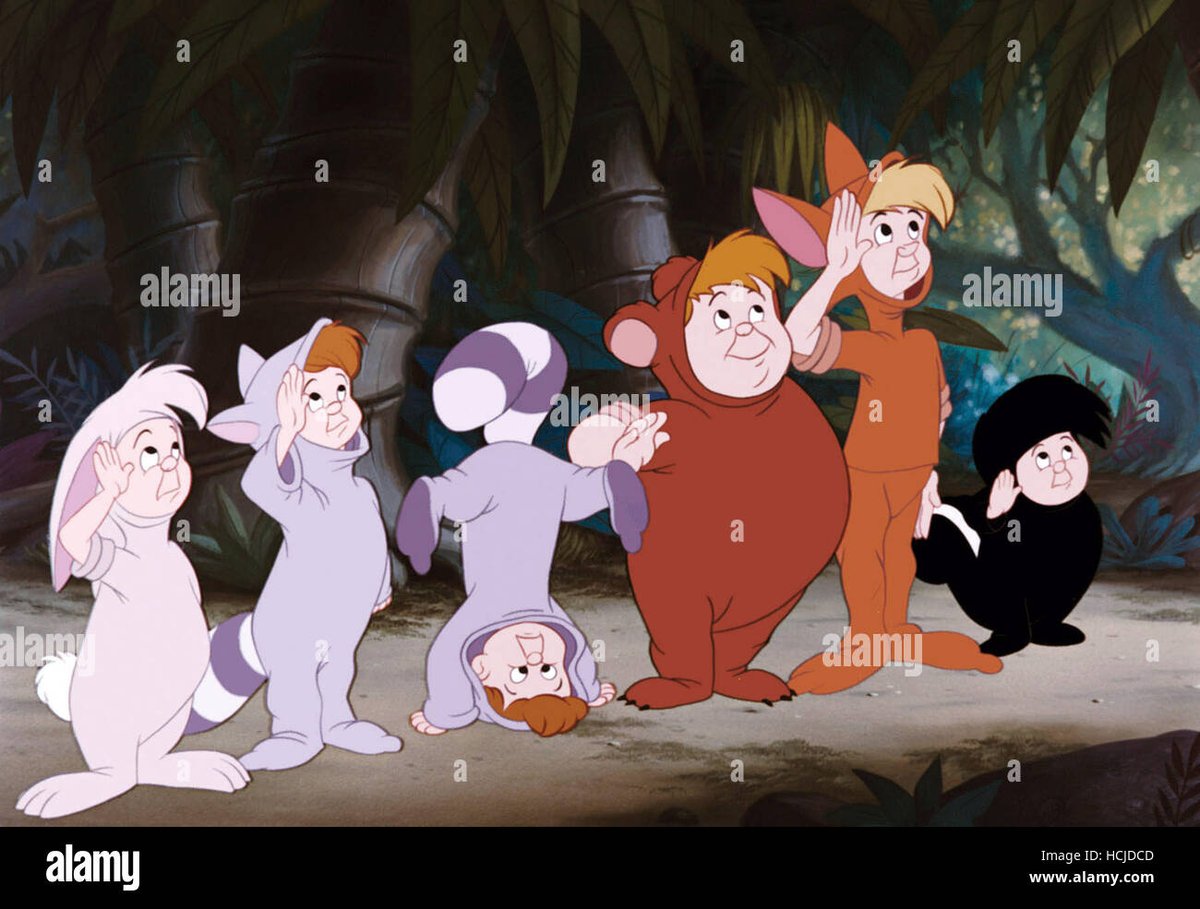
Imagine a band of pre-teen boys, left to their own devices in a fantastical world teeming with pirates, fairies, and mermaids. This is the essence of the Lost Boys. J.M. Barrie's original work describes them as children who "fall out of their prams" when their nannies aren't looking, eventually finding their way to Neverland. There, under Peter Pan's magnetic sway, they forge a wild, untamed existence, marked by animal-themed pajamas and an almost primal adherence to Peter's whims.
These boys lack adult supervision entirely, leading to behavior that's often ill-mannered, boisterous, and entirely self-serving—except, of course, when Peter requires their unwavering loyalty. Their wild lifestyle is a joyous, dangerous freedom, a stark contrast to the structured world they left behind. Yet, beneath their adventurous exteriors, a universal, poignant thread connects them: a deeply felt, often unspoken, desire for a "mother." This yearning becomes a critical factor in their dynamic with Peter and any newcomer who might offer a semblance of nurturing.
Peter Pan's Leadership: Charisma, Caprice, and Control
Peter Pan is not a leader in the conventional sense. He's a force of nature, an embodiment of eternal childhood. His leadership isn't based on strategy or delegation, but on sheer, unadulterated charisma and a boundless capacity for adventure.
The Eternal Boy King: Strengths of Peter's Style
Peter's strengths as a leader are undeniable. He is:
- Inspiring: He ignites imagination and bravery, encouraging the Lost Boys to face down pirates and embrace the impossible.
- Fearless: Peter never shies from a challenge, leading from the front in daring escapades. This bravery is infectious, making his followers feel invincible.
- Visionary (of a sort): He maintains the dream of Neverland, a place where fun never ends and adults never intrude. His singular vision ensures a consistent, albeit chaotic, purpose for the group.
- Playful: Peter makes everything an adventure, turning chores into games and battles into grand theatrics. This keeps morale high and prevents boredom in an otherwise unmoored existence.
The Darker Side: Peter's Leadership Flaws
Yet, Peter's strengths are inextricably linked to his significant flaws, creating a leadership style that is as perilous as it is enchanting:
- Forgetful and Fickle: Peter's memory is notoriously short. He forgets past adventures, rules, and even people, which means consistency and long-term planning are impossible. This forces the Lost Boys to live entirely in the present, always adapting to his latest whim.
- Self-Centered: Neverland revolves around Peter. His needs, desires, and ego often take precedence, leaving the Lost Boys as supporting characters in his endless play. He struggles with empathy and understanding perspectives beyond his own.
- Resistant to Growth: Peter actively forbids the Lost Boys from growing up, both physically and emotionally. This creates a stunted environment where personal development is not just discouraged but outright punished. "What Peter doesn't know, a Lost Boy isn't allowed to know" – a dictum that stifles curiosity and individual thought.
- Emotionally Immature: His lack of understanding of complex emotions leads to thoughtless actions, occasional cruelty, and an inability to truly nurture his followers, despite their deep need for it.
In essence, Peter leads by being the ultimate embodiment of what the Lost Boys wish to be: free, powerful, and forever young. But this leadership comes at a cost, trapping them in a cycle of dependency and arrested development.
The Original Cast: Personalities and Paths of Barrie's Lost Boys
Barrie’s original Lost Boys are more than just a homogenous group. They possess distinct personalities that shine through, offering a glimpse into how different individuals respond to Peter's unique leadership. What’s truly striking is that, unlike Peter, they eventually return to London and grow up, providing a stark counterpoint to Peter's eternal youth.
- Tootles: Perhaps the most poignant of the group, Tootles is described as "the most unfortunate and humblest," sweetened by his missing out on "big things." His humble nature, however, doesn't preclude agency. He mistakenly shoots Wendy Darling with an arrow, then becomes her staunch defender, showcasing a capacity for remorse and fierce loyalty. He even becomes boatswain of "The Jolly Roger" and, back in London, a judge – a fascinating trajectory from Neverland's wildness to societal order.
- Nibs: Happy and debonair, Nibs is depicted as possibly the bravest of the Lost Boys. His fleeting memory of his mother wanting a cheque book hints at a more grounded past. He eventually grows up to work an office job with Curly and the Twins, embracing a conventional life.
- Slightly: The most conceited, Slightly believes he remembers life before being lost, though his "memories" are based on hilarious misunderstandings (e.g., a "Slightly Soiled" laundry tag). He's a poor make-believer but a talented musician, crafting tunes from self-made instruments. His adult life is perhaps the most "successful" in societal terms, as he marries a lady of status and becomes a lord with a family.
- Curly: A "pickle" (prone to trouble) with fittingly curly hair, Curly is not the brightest but is lovable, brave, timid, and kind-hearted. His journey culminates in an office job alongside Nibs and the Twins, a testament to the pull of conventional life after Neverland's freedom.
- The Twins (First and Second Twin): A fascinating representation of Peter's control, they "know little about themselves because Peter Pan doesn't understand twins, and Lost Boys are forbidden from knowing anything Peter doesn't." This highlights the stifling effect of Peter's leadership on individual identity. They too join their peers in an office job in adulthood.
The fact that these original Lost Boys eventually leave Neverland and embrace adulthood underscores a core theme: while Peter represents an eternal escape, the human spirit, for most, yearns for growth, responsibility, and connection beyond the bounds of endless play.
The Ever-Changing Dynamic: How Adaptations Reshape the Lost Boys
While Barrie’s original vision provides the bedrock, the Lost Boys' dynamic has been reimagined countless times across serials, novels, films, and television, reflecting shifting cultural values and narrative possibilities. This constant evolution has expanded The world of Peter Pans Lost Boys far beyond its initial scope.
Diversity in Numbers and Nature
From a tight-knit group of six, the Lost Boys have blossomed into dozens in many adaptations, such as the numerous boys living in a giant tree in the 1991 film Hook. This expansion often brings a more stratified social structure, as seen with Rufio as a secondary leader. Their origins have also diversified:
- Orphanage Children: In Serials Starcatcher and Pan, they come from institutions, highlighting their shared need for a home.
- Escaped Slave Children: Shelby and the Lost Boy of Misbegot Island offers a stark, poignant origin story for the "Misbegot Pack."
- "Throw-Away Urchins": Come Away portrays them as children cast aside by society, finding camaraderie in Neverland.
- Sick Children: The Peter and Wendy adaptation creatively recasts them as child patients from Great Ormond Street Hospital, their Neverland adventures a fantastical escape from illness.
- Just "Lost": The 2003 Peter Pan film famously depicts them as children who simply "fell out of their prams" and were unclaimed for seven days.
Beyond Boys: The Inclusion of Girls
Perhaps the most significant evolution is the inclusion of girls among the Lost Boys (or "Lost Kids"). This trend, seen in adaptations like Everland (where they're "Lost Kids" or "Scavengers"), Forever Neverland, The Never: A Tale of Peter and the Fae, The New Adventures of Peter Pan (with members like Cynthia and Meera), and Peter Pan & Wendy (2023 film, featuring Bellweather and Birdie), profoundly alters the group's dynamic. It introduces different perspectives, skills, and emotional complexities, challenging the traditionally masculine-coded world of Neverland. These "Lost Girls" often bring new forms of leadership, resourcefulness, and a different kind of nurturing to the group.
Aging and Maturity: The Forbidden Fruit
While Peter Pan remains eternally young, many adaptations explore what happens when Lost Boys do grow up.
- In Legends Of The Pan, the boys age into teenagers after Peter's death, eventually becoming adults with children.
- Nevermor sees its "Wolf Pack" losing their agelessness and growing into teens/adulthood.
- The 1991 film Hook provides a poignant glimpse, with Tootles appearing as an old man, having left Neverland. Rufio, the current leader, is a teenager, showcasing a transitional phase of leadership and age.
- The modern re-imagining Wendy takes this further, with some Lost Boys aging into "Olds" and becoming reluctant pirates after losing faith in "Mother," questioning the very premise of eternal youth.
- Always Neverland even has Peter banish boys for growing up, highlighting his intolerance for change.
These narratives delve into the psychological toll of arrested development and the natural human desire for progress and maturity, creating a compelling contrast with Peter's unchanging state.
Shifting Leadership and Group Structures
With larger numbers and diverse members, the singular leadership of Peter sometimes becomes more nuanced:
- Rufio in Hook serves as a charismatic and strong leader in Peter's absence, demonstrating that the Lost Boys can thrive under different guidance, even if temporarily.
- The "Misbegot Pack" in Shelby and the "Wolf Pack" in Nevermor suggest more organized, perhaps democratic, group structures.
- Some adaptations introduce other defined roles, like Thud Butt as Rufio's second-in-command in Hook or Friendly as the oldest in Forever Neverland.
- The Only Children introduces Ralph as Peter's second-in-command, indicating a more formal hierarchy.
These changes demonstrate a broader exploration of how groups function, adapt, and even challenge their primary leader, moving beyond Peter's purely autocratic (if often absent-minded) rule.
Leadership Lessons from Neverland's Wild Frontier
The dynamic between Peter Pan and the Lost Boys, in all its iterations, offers surprisingly potent lessons for understanding leadership in any context.
The Power of Charisma, Unchecked
Peter exemplifies how powerful pure charisma can be in inspiring loyalty and action. People will follow a compelling vision, even if the leader is flawed. However, his story also warns that charisma without responsibility, empathy, or strategic thought can lead to stagnation and dependency. A leader's charm can mask serious deficiencies that, over time, undermine the growth of their followers.
The Dangers of Stagnation
Peter's refusal to grow up is his defining characteristic, but it's also his greatest leadership flaw. He forbids the Lost Boys from growing, literally and figuratively. In any group or organization, a leader who resists change, innovation, or the development of their team members will inevitably stunt their potential. True leadership empowers others to evolve, learn new skills, and eventually take on greater responsibilities—something Peter fundamentally opposes.
The Need for Nurturing
The Lost Boys' unspoken desire for a "mother" is a powerful metaphor for the fundamental human need for nurturing, emotional security, and stable guidance. Peter, for all his adventuring, cannot provide this. Leaders, whether in a family, a team, or a corporation, often overlook the emotional and developmental needs of their followers, focusing solely on tasks or goals. Neglecting this crucial aspect can lead to insecurity, underperformance, and a constant search for validation elsewhere.
Autonomy vs. Anarchy
Peter allows the Lost Boys immense freedom and autonomy in their daily lives, letting them roam, play, and fight as they please. This can foster creativity and self-reliance to a degree. However, without clear boundaries, consistent guidance, or a framework for learning from mistakes, autonomy can quickly devolve into chaos or, worse, a state of arrested development. Effective leaders strike a balance, providing freedom within a structure that encourages responsible growth.
The Unseen Cost of Eternal Youth
For Peter, eternal youth is a gift. For the Lost Boys, especially as they're depicted growing up in adaptations, it highlights a profound loss. What is sacrificed when one refuses to mature? Wisdom, deeper relationships, the satisfaction of personal achievement, and the ability to contribute meaningfully to society. Leaders who cling to outdated methods or refuse to adapt prevent their organizations from gaining the wisdom and resilience that come with experience and evolution.
Pitfalls and Paradoxes of Pan's Rule
Peter Pan's leadership, while captivating, is rife with inherent paradoxes that create significant pitfalls for his followers.
- The Tyranny of the Carefree: Peter's carefree nature, which makes Neverland so appealing, often translates into thoughtless or even cruel behavior. His fleeting memory means promises are broken, feelings are disregarded, and stability is non-existent. The Lost Boys live under a subtle tyranny where their emotional well-being is entirely at the mercy of their leader's volatile moods.
- Dependency Syndrome: By keeping the Lost Boys in a state of perpetual childhood and discouraging individual thought ("What Peter doesn't know..."), Peter fosters extreme dependency. They look to him for every decision, every adventure, and every solution. This prevents them from developing critical thinking, problem-solving skills, or true self-reliance—traits essential for any mature individual or effective team member.
- Lack of Long-Term Vision: Every day in Neverland is an adventure, but there's no progress, no development, no ultimate goal beyond simply being. In leadership, a lack of long-term vision leaves followers without direction, purpose, or a sense of achievement beyond immediate gratification. It's exhilarating in the short term, but ultimately unfulfilling.
- The Erosion of Individuality: The story of the Twins, unable to know anything Peter doesn't understand, epitomizes how Peter's rule can erode individual identity. In a group led by Peter, personal quirks and unique talents are tolerated only if they fit into his narrative, stifling authentic self-expression and personal growth.
Beyond the Fairy Dust: What Peter Pan's Leadership Teaches Us
The enduring appeal of Peter Pan and the Lost Boys isn't just about escape; it’s about a deeply human exploration of what it means to lead, to follow, and to grow. The Neverland dynamic, in its original form and myriad adaptations, offers powerful, if unconventional, lessons for anyone in a position of influence.
- Embrace Growth – In Yourself and Others: True leadership isn't about maintaining a static, comfortable state. It's about fostering an environment where both the leader and the led can learn, evolve, and mature. Encourage development, provide opportunities for new skills, and celebrate progress, even if it means eventually letting go.
- Balance Freedom with Responsibility: While inspiring autonomy is vital, effective leaders also provide a framework of guidance, clear expectations, and ethical boundaries. Unchecked freedom can lead to chaos or, as in Neverland, a state of arrested development that ultimately harms the group.
- Nurture, Don't Neglect: Acknowledge and address the fundamental emotional and developmental needs of your team. This goes beyond task management to creating a supportive, empathetic environment where individuals feel valued, secure, and understood.
- The Value of Succession and Empowerment: A truly effective leader builds capacity in others, preparing them to lead and thrive independently. Peter’s inability to do this leaves the Lost Boys vulnerable if he's absent or unwilling to engage. Empowering others means relinquishing some control, but it ultimately strengthens the entire group.
- Self-Awareness in Leadership: Peter's blind spots—his forgetfulness, self-centeredness, and resistance to growth—are massive. Leaders must cultivate self-awareness, understanding their own limitations, biases, and emotional triggers to avoid repeating Peter's mistakes.
The story of Peter Pan and the Lost Boys is a vibrant tapestry, woven with threads of fantasy, adventure, and profound psychological insight. It reminds us that while the allure of eternal youth and carefree living is strong, the true magic lies in the courage to grow, to lead with both heart and wisdom, and to build dynamics that foster not just survival, but thriving for all.