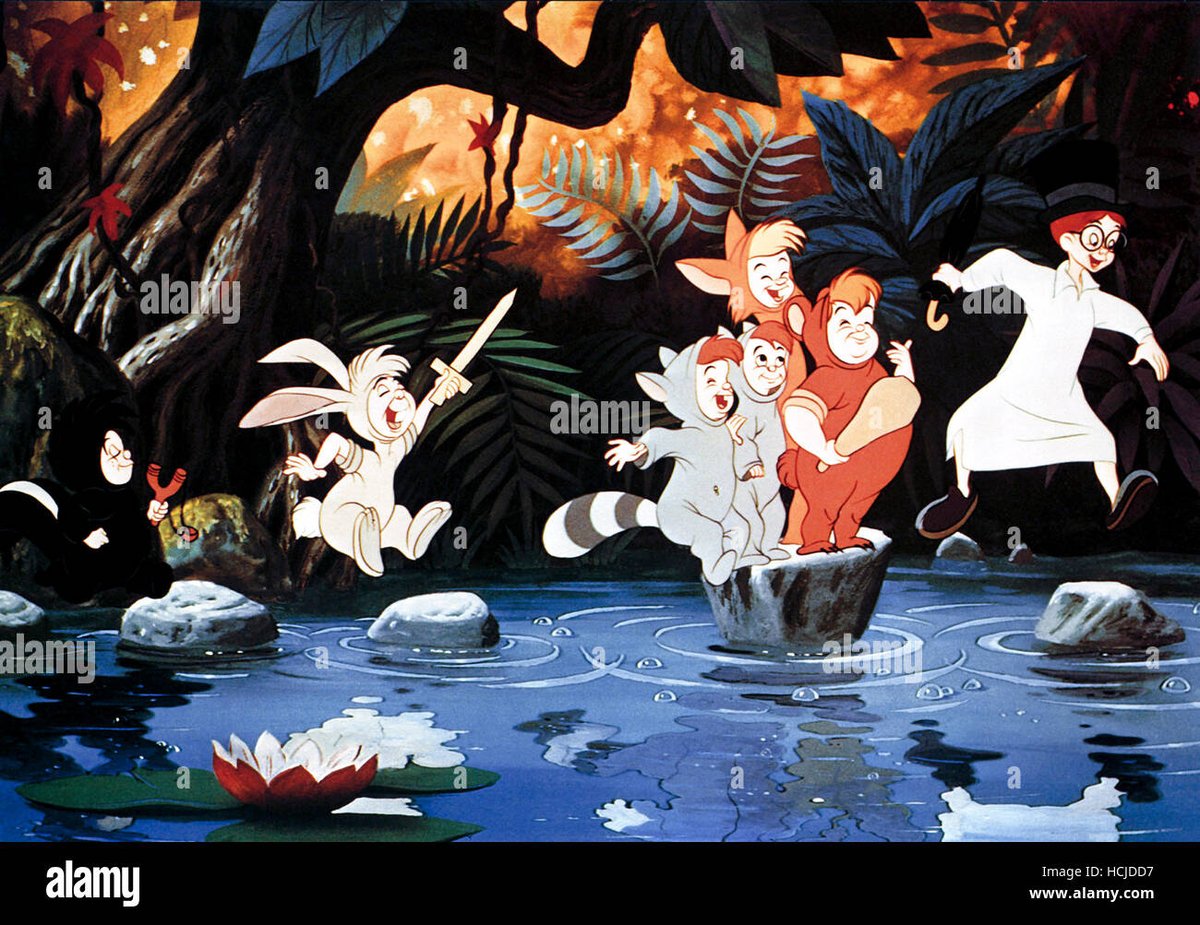
The tale of Peter Pan often conjures images of a boy who can fly, a ticking crocodile, and swashbuckling pirates. Yet, at the heart of Neverland’s wild magic are the Lost Boys: a band of forgotten children, forever caught between childhood wonder and the distant call of maturity. These boys, captained by Peter Pan himself, embody the universal yearning for endless play and the bittersweet reality of time marching on. They are more than just supporting characters; they are the beating pulse of Neverland, their lives a perpetual adventure that has captivated generations.
From their whimsical beginnings in J.M. Barrie's original stories to their varied portrayals across countless adaptations, the Lost Boys represent different facets of childhood innocence, loyalty, and the poignant choice between eternal youth and the world of adults. Join us as we journey deep into their world, exploring every facet of their existence in Neverland and beyond.
The Poignant Genesis of Neverland's Youngest Residents
Imagine children so utterly forgotten that they literally "fall out of their prams" and are never claimed. This is the melancholic yet magical origin story of the Lost Boys, as conceived by J.M. Barrie. Sent far away to Neverland, they found a new home and a new leader in Peter Pan. Traditionally, Barrie stated that girls were "too clever" to become lost, a detail that many modern adaptations have thoughtfully re-examined, evolving the concept of who can find themselves among Peter's crew. To fully grasp their unique plight and the fantastical explanation for their existence, delve into the deeper narrative behind their arrival in Neverland with our comprehensive look at their Lost Boys origin story.
Beyond the Shadows: Getting to Know Each Lost Boy by Name
While often depicted as a collective, the original Lost Boys from Barrie's stories each possess distinct personalities and fascinating individual trajectories, even post-Neverland. There's Tootles, the humble and often overlooked; Nibs, the brave and debonair; Slightly, the conceited yet musical; Curly, the "pickle" who loves trouble; and the Twins, who know little of themselves because Peter doesn't understand twins. Adaptations have expanded this cast, giving us memorable figures like Rufio, the fiercely independent leader from Spielberg's Hook, or the diverse group introduced in Disney's Peter Pan & Wendy. Understanding these individual quirks and journeys enriches the entire Neverland experience. For a deeper dive into the specific traits, adventures, and ultimate fates of these memorable characters, explore our Individual Profiles: Meet the Lost.
The Heart of the Group: Peter Pan's Guiding (and Sometimes Misguiding) Hand
At the core of the Lost Boys' existence is their relationship with Peter Pan. He is their captain, their hero, their protector, and often, their surrogate parent. This dynamic is complex, marked by Peter's boundless imagination and sometimes capricious nature. He teaches them to fly, to fight pirates, and to live each day as a grand adventure, yet his own inability to truly understand the world of adults shapes their perspectives. Their loyalty to Peter is unwavering, defining their lives in Neverland. To truly appreciate the intricate bonds and power structures that keep this fantastical family together, uncover the nuances of Peter Pans Leadership & The.
Neverland: More Than Just a Playground, It's Their Home
For the Lost Boys, Neverland isn't just a magical island; it's their entire world. It's the only home many of them remember, a place where imagination dictates reality, and every tree stump could be a hideout, every shadow a lurking pirate. This extraordinary environment shapes their identities, fostering a spirit of eternal youth and adventure while also presenting constant dangers from Captain Hook and his crew, and the unpredictable forces of nature itself. Understanding Neverland's unique ecosystem, from their hidden underground homes to its mythical creatures, is crucial to understanding the boys themselves. Discover how their lives are intrinsically woven into the very fabric of this fantastical realm by exploring Discover Neverlands home influence.
The Eternal Dilemma: Embracing Youth or Facing Adulthood?
The most profound theme woven throughout the Lost Boys' story is the poignant choice between eternal youth and the inevitable march toward adulthood. Many adaptations explore what happens when these boys are faced with the opportunity to leave Neverland and grow up, whether it's returning to the Darlings' home in London or embarking on entirely new lives. While some embrace the adult world, finding careers and families, others, like Peter himself, cannot or will not leave the boundless freedom of childhood behind. This central conflict provides much of the story's emotional weight, resonating with anyone who has ever wistfully looked back at their younger days. To delve deeper into this bittersweet contrast and the different paths the Lost Boys ultimately take, Uncover eternal youth vs. adulthood within their compelling narratives.
The Lost Boys of Peter Pan are more than mere adventurers; they are enduring symbols of the power of imagination, the allure of freedom, and the bittersweet passage of time. Their stories remind us that while growing up is inevitable, the spirit of childhood wonder, loyalty, and boundless adventure can live on within us, beckoning us back to Neverland whenever we dare to dream.