The image of "lost boys" — a band of youths, untethered from adult supervision, navigating a world of adventure and peril — is one that sparks immediate recognition. It conjures a potent cocktail of nostalgia, freedom, and a touch of melancholy. While its most celebrated origin point lies within J.M. Barrie's fantastical tales of Peter Pan, the concept of the Lost Boys in Adaptations & Pop Culture has soared far beyond the shores of Neverland, becoming a universal archetype reflecting our deepest desires and fears about youth, belonging, and the relentless march of time.
This isn't just about a literary character; it’s about a cultural phenomenon. It’s about the spirit of rebellion, the yearning for connection, and the bittersweet dream of eternal youth that resonates across generations and across every medium, from cinema screens to video games.
At a Glance: The Enduring Appeal of the Lost Boys Archetype
- Origin Story: Rooted in J.M. Barrie's Peter Pan, symbolizing eternal youth and rebellion against adulthood.
- Core Themes: Youthful freedom, camaraderie, escapism, longing for belonging, and the refusal to grow up.
- Pop Culture Reach: Extends beyond Barrie to vampire lore (e.g., The Lost Boys film), coming-of-age stories, fantasy, and even psychological explorations.
- Psychological Resonance: Represents a universal human yearning for identity, purpose, and acceptance, especially when feeling disconnected.
- Modern Relevance: Continues to inspire stories about chosen families, challenging norms, and finding adventure in a world that demands conformity.
- Embracing the Spirit: Encourages wonder, imagination, and resilience, without advocating for literal immaturity.
The Whispers of Neverland: Unpacking the Original Lost Boys
To truly grasp the enduring power of the Lost Boys, we must first return to their genesis: J.M. Barrie's seminal work, Peter Pan, or The Boy Who Wouldn't Grow Up. Here, Peter Pan leads a gang of boys who have fallen out of their prams and were never claimed, finding a home in the fantastical realm of Neverland. They are a chosen family, bound by a shared fate and an unwavering dedication to adventure and play.
Barrie’s Lost Boys — Tootles, Nibs, Slightly, Curly, and the Twins — are more than just sidekicks. They represent a distilled essence of boyhood: mischievous, fiercely loyal, imaginative, and eternally young. They hunt, they fight pirates, and they engage in endless games, all under the whimsical, sometimes capricious, leadership of Peter. Their existence in Neverland is a romanticized dream of childhood, free from chores, school, and parental rules.
However, beneath the surface of swashbuckling and sprites, there’s a profound melancholy. These boys cannot grow up. While Peter revels in this eternal youth, there's an unspoken loss. They yearn for a mother figure, finding temporary solace in Wendy Darling, who brings a touch of domesticity to their wild existence. This duality — the joy of freedom mixed with the ache for belonging and maturity — forms the emotional bedrock that future adaptations and cultural references would build upon. It’s a powerful exploration of youth, a concept so significant it warrants its own in-depth exploration, like the Lost Boys Peter Pan Guide.
Beyond Neverland: The Archetype's Journey into Modern Mythos
The original Lost Boys laid the groundwork, but the archetype’s enduring appeal lies in its remarkable adaptability. It’s a framework that can be transplanted into countless genres and settings, retaining its core themes while evolving to reflect new cultural anxieties and fascinations.
The Forever Young: Lost Boys in Vampire Lore
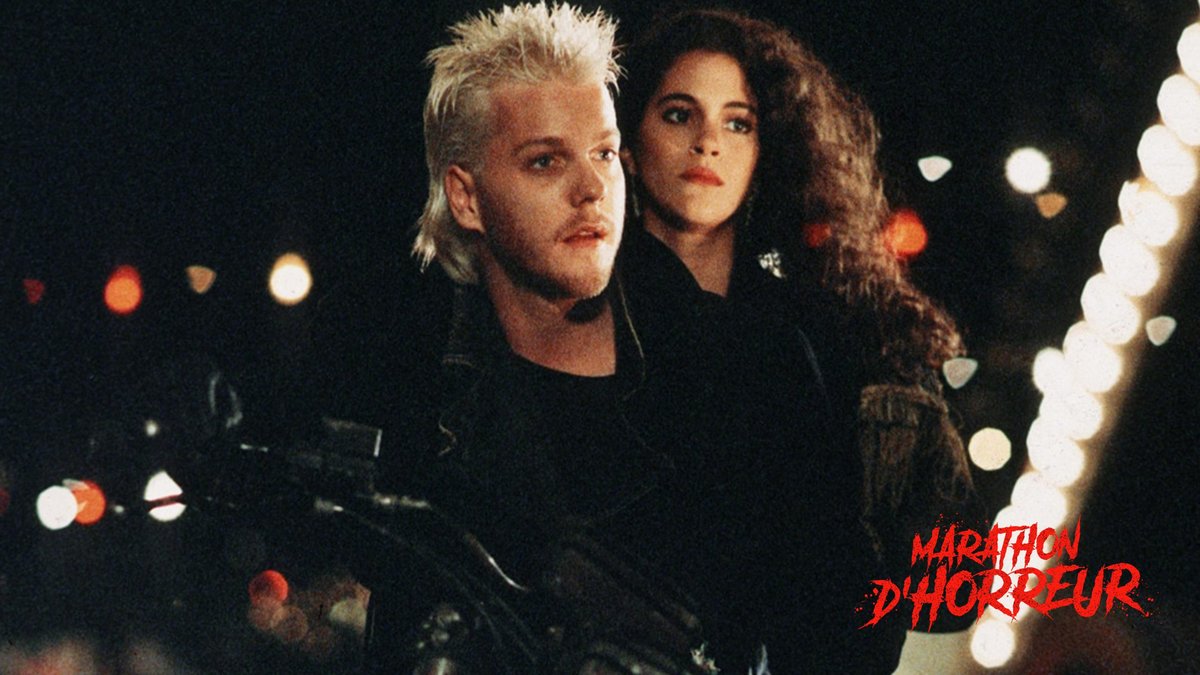
Perhaps one of the most direct and influential re-imaginings outside Barrie’s own work came with the 1987 horror-comedy film The Lost Boys. This movie didn’t just borrow the name; it brilliantly transmuted the core concept of eternal youth into the realm of vampirism.
In Santa Carla, California, a gang of eternally cool, leather-clad vampires preys on the unsuspecting. They are literally "lost boys" — stuck in a perpetual state of rebellious adolescence, forever young but eternally predatory. The film masterfully taps into the allure of immortality, brotherhood, and a dangerous kind of freedom, while simultaneously highlighting its dark side: the loss of humanity, empathy, and the possibility of genuine growth. It became a cultural touchstone, cementing the connection between "lost boys" and a certain brand of edgy, rebellious youth.
Echoes in Literature and Film: Diverse Interpretations
The Lost Boys archetype isn't always explicitly named, but its influence can be seen woven into the fabric of countless stories, often exploring the same core dynamics of youthful rebellion, camaraderie, and the absence of adult authority.
- A Dark Reflection: Lord of the Flies
William Golding’s classic novel offers a chilling inverse. While Barrie’s boys live in idyllic chaos, Golding’s stranded British schoolboys quickly descend into savagery, demonstrating the brutal side of unsupervised youth. The novel strips away the romanticism, showing that without societal structures, the "lost boys" can become their own worst enemy. It's a stark reminder that the dream of freedom can quickly turn into a nightmare without a moral compass. - Lost Innocence: Coming-of-Age Narratives
Films like Stand By Me capture the spirit of youthful brotherhood and the bittersweet transition from childhood. While not literal "lost boys," the quartet of friends on their journey to find a body share a profound bond, a sense of being outsiders, and a collective loss of innocence. Their adventure is a microcosm of the larger theme: the poignant end of childhood and the daunting prospect of growing up. Similarly, The Goonies presents another beloved group of young adventurers, banding together on a quest, demonstrating resourcefulness and unwavering loyalty in the face of adult threats and fantastical traps. - Beyond the Boys:
The archetype isn't exclusively male. Stories like Beasts of the Southern Wild feature children forced to survive together in harsh conditions, building their own social structures. Even Mad Max: Fury Road's "War Boys," while older and indoctrinated, evoke a sense of desperate, tribal loyalty and a lost youth, fighting for a warped vision of belonging under a tyrannical "father" figure. These narratives consistently explore themes of survival, the formation of identity within a group, and challenging oppressive adult systems.
Digital Age Reinventions: From Gaming to TV Series
Pop culture's embrace of the Lost Boys continues into the digital age, proving the archetype’s enduring resonance with contemporary audiences.
- The Power of the Pack: Stranger Things
The hit Netflix series Stranger Things owes a significant debt to this archetype. Its core group of young protagonists, often left to their own devices in Hawkins, Indiana, forms an unbreakable bond as they navigate supernatural threats. They ride bikes, build forts, and rely on each other, embodying the spirit of youthful defiance and resourcefulness in the face of overwhelming odds. Their adventures are a modern take on the chosen family, fighting against a world that adults either don't understand or can't control. - Gaming Worlds:
Even in video games, the "lost boy" concept manifests. While not always explicit, the idea of a player character leading a band of younger, sometimes orphaned, companions is a recurring motif. Certain achievements or character groups in games might even directly reference the "Lost Boys" title, acknowledging the shared cultural understanding of the term. These games tap into the player's desire for leadership, protection, and the creation of a surrogate family within a digital world.
Each adaptation, whether explicitly naming them or simply echoing their spirit, draws from the core ingredients: youth, camaraderie, rebellion, and a distinct separation from the adult world.
The Psychology of the Lost Boy: Why We Still Relate
The magnetic pull of the Lost Boys isn't merely about exciting adventures; it delves into fundamental human psychology, touching on universal longings and anxieties.
Yearning for Belonging and Identity
At its heart, the Lost Boys story is about finding your tribe. For anyone who has ever felt like an outsider, disconnected from mainstream society, the idea of a group that accepts you, celebrates your differences, and provides a sense of purpose is incredibly powerful. The Lost Boys find their identity not in what they should be, but in who they are together: a collective of adventurers, mischief-makers, and loyal friends. This resonates deeply, speaking to the innate human need for connection and acceptance that often intensifies during the formative years of youth.
The Allure of Eternal Youth (and its Price)
Who hasn't, at some point, wished to escape the pressures of adulthood? The Lost Boys embody this fantasy entirely. They are free from responsibilities, mortgages, and the crushing weight of societal expectations. This escapism offers a potent fantasy for those overwhelmed by the complexities of modern life.
However, the archetype also subtly reminds us of the cost. True growth, deeper relationships, and the satisfaction of earned wisdom are forfeited. As psychologist Erik Erikson’s stages of psychosocial development suggest, navigating identity crises and forging meaningful connections are crucial for adult well-being. The Lost Boys, in their refusal to move forward, hint at a developmental arrest, a potential for arrested emotional maturity, which The Lost Boys film explicitly explored through its vampiric metaphor. The eternal fun is balanced by an eternal stagnation.
Rebellion Against the Mundane: A Call to Adventure
Life, for many, becomes a routine. The Lost Boys offer a vibrant contrast: a life of constant adventure, spontaneity, and defiance of boring rules. They represent a primal desire to reject the ordinary, to leap into the unknown, and to live life on one's own terms. This spirit of rebellion isn't just about defiance; it's about courage, imagination, and a refusal to let the world dull your shine.
Embracing one's "inner lost boy" can be a transformative experience. It fosters wonder, imagination, and resilience, reminding us that life doesn't have to be a grey slog. It encourages a playful approach to challenges, a curiosity about the world, and the courage to chart your own course, even when it deviates from the expected path. This resilience and imaginative spirit are powerful tools for personal growth and self-discovery, allowing individuals to maintain a youthful zest for life while navigating the challenges of adulthood.
Navigating the Modern Landscape: Embracing Your Inner Lost Boy Responsibly
The concept of the Lost Boy isn't about literally abandoning your adult life or responsibilities. Instead, it offers a framework for integrating valuable, youthful qualities into a mature, fulfilling existence. It's about finding that sweet spot where wisdom meets wonder.
Identifying the Traits: What Does Your Inner Lost Boy Look Like?
Think about the core characteristics that define the archetype and how they can be positive forces in your life:
- Wonder & Curiosity: A boundless desire to explore, learn, and question the world around you. This can manifest as picking up a new hobby, traveling, or simply reading widely.
- Playfulness & Creativity: The ability to find joy in simple things, to imagine new possibilities, and to approach problems with an innovative, out-of-the-box mindset.
- Loyalty & Camaraderie: A deep appreciation for your chosen family and friends, fostering strong, supportive relationships based on mutual respect and shared experiences.
- Resilience & Resourcefulness: The capacity to bounce back from setbacks, to adapt to new situations, and to find creative solutions with whatever tools are at hand.
- Authenticity: A refusal to conform for conformity's sake, staying true to your values and passions even when they differ from the norm. This is often seen in modern rebel archetypes who challenge the status quo.
Balancing Freedom with Responsibility
The trick isn't to refuse to grow up, but to grow up without losing the best parts of youth. It's about a conscious choice to integrate these qualities into an adult life:
- Maintain a sense of adventure: This doesn't mean fighting pirates. It could be taking a spontaneous weekend trip, trying a new cuisine, or tackling a challenging creative project.
- Cultivate curiosity: Never stop learning. Engage with new ideas, question assumptions, and remain open to different perspectives.
- Prioritize play: Schedule time for activities that bring you pure, unadulterated joy, whether it’s playing board games, hiking, or creating art. These moments are vital for mental well-being and often provide the kind of escapism of Neverland in a healthy way.
- Foster strong bonds: Nurture your friendships and family relationships. Your chosen "tribe" can provide invaluable support and a sense of belonging.
- Embrace creativity: Find outlets for self-expression, whether through writing, painting, music, or even innovative problem-solving at work. This keeps your mind agile and engaged, reflecting the vibrant energy of youthful defiance in popular culture.
Pitfalls to Avoid: The Dark Side of Peter Panning
While the archetype offers much positive inspiration, it also carries potential pitfalls if taken too literally or irresponsibly. This is not about glorifying immaturity or shunning responsibility:
- Perpetual Adolescence: An inability to commit to relationships, careers, or long-term goals. This isn't freedom; it's stagnation.
- Avoiding Accountability: Blaming others, refusing to take responsibility for mistakes, or constantly seeking external validation rather than self-reliance.
- Toxic Nostalgia: Living in the past, constantly comparing the present to a romanticized version of youth, and resisting any form of personal evolution.
- Lack of Empathy: An egocentric worldview where one's own desires always take precedence, reminiscent of Peter Pan's own occasional thoughtlessness.
Embracing your inner Lost Boy means harnessing its strengths while consciously developing the maturity and wisdom needed to navigate the complexities of adult life. It's about finding your own Neverland, not escaping reality, but enriching it.
Common Questions & Misconceptions About the Lost Boys Archetype
The concept is rich and multifaceted, leading to several common questions and misunderstandings.
Are the Lost Boys Always Male?
While J.M. Barrie's original characters were explicitly male, the archetype of the "lost child" or "found family of youth" absolutely transcends gender. Modern interpretations, both overt and subtle, frequently feature female characters who embody the same spirit of independence, rebellion, and fierce loyalty. Think of Katniss Everdeen in The Hunger Games, leading a revolution while forming deep bonds with her fellow tributes, or the aforementioned protagonists of Stranger Things, which includes strong female characters at its core. The spirit is universal, even if the original literary manifestation was gender-specific.
Is it Always About Literally Refusing to Grow Up?
No, not in its deeper, more nuanced interpretations. While Peter Pan himself literally refuses to age, the archetype in pop culture rarely advocates for this in a literal sense. Instead, it's about holding onto qualities associated with youth: curiosity, imagination, resilience, and a playful spirit, even as one physically and emotionally matures. It's about a metaphorical refusal to become jaded, cynical, or stagnant, rather than a literal rejection of adulthood.
Does it Glorify Immaturity?
A superficial reading might suggest so, but the most compelling adaptations and psychological interpretations show the bittersweet nature of eternal youth. While the freedom is alluring, there's often an underlying theme of sacrifice — the loss of growth, deep adult relationships, or true self-actualization. The archetype, particularly in modern contexts, often uses the "lost boy" as a starting point to explore the challenges of growing up, the necessity of responsibility, and the difficulty of maintaining one's unique spirit in a conforming world. It celebrates the spirit of youth, not necessarily the immaturity.
Beyond the Second Star: The Future of the Lost Boys Myth
The enduring power of the Lost Boys archetype lies in its timeless appeal to universal human experiences. As society evolves, so too will the ways we interpret and adapt this myth. Future iterations might explore new facets:
- Technology and Connection: How do "lost boys" form their tribes in an increasingly digital world? What does virtual Neverland look like?
- Global Perspectives: How does the archetype manifest in different cultures, reflecting unique societal pressures and family structures?
- Environmentalism: Could a new generation of "lost boys" be fighting for a lost natural world, becoming guardians of the wild?
- Evolving Family Structures: With more diverse family units, the concept of a "found family" or "chosen tribe" becomes even more resonant.
The core themes of belonging, identity, freedom, and the bittersweet passage of time will continue to resonate. The Lost Boys will undoubtedly continue to captivate our imaginations, reminding us of the wonder of youth and the eternal quest for a place to truly belong.
Finding Your Own Way Home (Without Losing Your Wonder)
The "Lost Boys" are far more than just characters from a children's story; they are a powerful, adaptable archetype that speaks to fundamental human desires across all of pop culture. They remind us of the allure of freedom, the importance of belonging, and the yearning for a world where imagination reigns supreme.
So, as you navigate your own journey, remember the lessons of the Lost Boys. Cultivate your curiosity, cherish your chosen family, and always leave a little room for adventure. Growing up is inevitable, but losing your wonder, your spirit, and your capacity for joy is a choice. Embrace your inner Lost Boy, not as an excuse to avoid responsibility, but as a guide to living a life rich in imagination, courage, and genuine connection. Your Neverland might not have pirates or mermaids, but it can still be a place of endless discovery and heartfelt bonds.