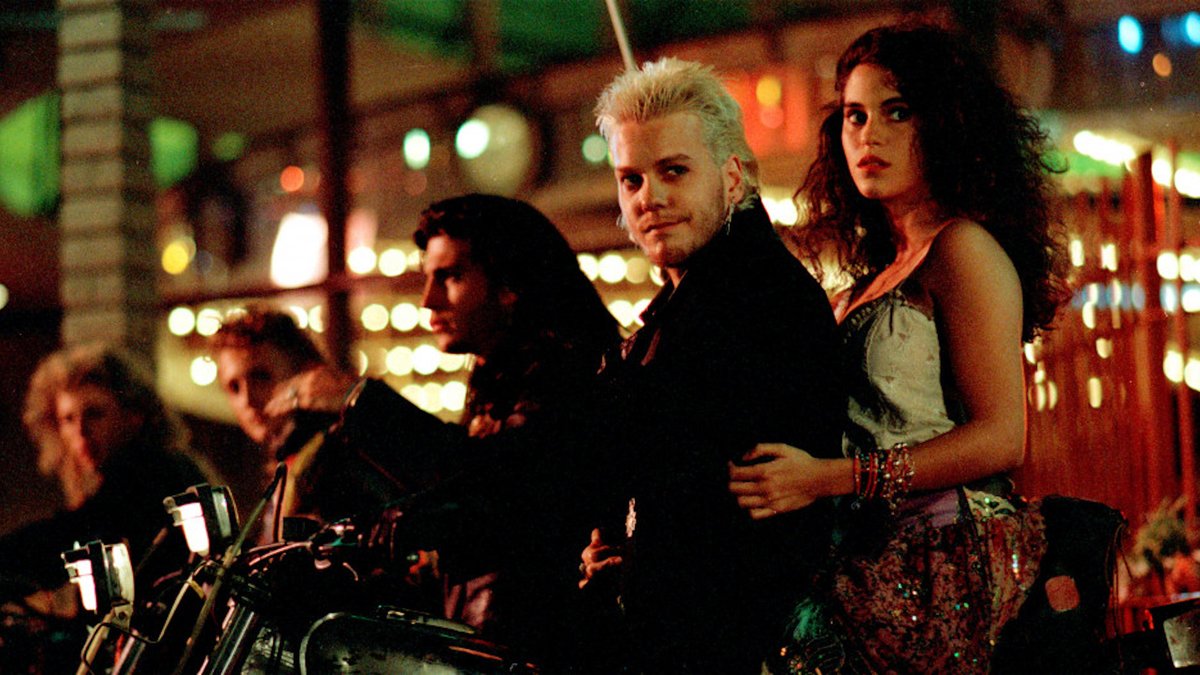
Santa Carla, California. The "murder capital of the world," a neon-drenched coastal town where boardwalk fries mingle with lingering shadows. For anyone diving into the vibrant yet sinister world of The Lost Boys, understanding the Individual Profiles: Meet The Lost Boys is key to unlocking the film's enduring charm and psychological depth. You're not just watching a horror flick; you're observing a masterclass in character study, set against a backdrop of 80s youth counterculture and supernatural allure.
This isn't just about fangs and leather jackets; it's about the very human struggles of identity, belonging, and the terrifying pull of rebellion. So, grab your garlic and a comic book, because we’re about to peel back the layers on the characters who defined a generation of horror-comedy.
At a Glance: Decoding Santa Carla's Residents
- Michael Emerson: The protagonist, struggling between fitting in and succumbing to a dangerous new identity. His journey is a classic tale of temptation and the fight for redemption.
- Sam Emerson: Michael's younger brother, the pragmatic, brave, and loyal heart of the family. He’s the grounding force amidst chaos, leading the charge to save his brother.
- David: The enigmatic and charismatic leader of the vampire gang, representing the seductive power of rebellion and the dark side of freedom. He preys on Michael's insecurities and desires.
- Santa Carla as a Character: More than just a setting, this town’s notorious reputation and vibrant, dangerous atmosphere deeply influence its inhabitants and their choices.
- Family Dynamics: The core struggle isn't just against vampires, but within the Emerson family as they navigate a new life and an unexpected threat.
Santa Carla's Siren Song: The Setting That Shapes Them
Imagine relocating to a new town – sun-soaked beaches, vibrant nightlife, a thriving boardwalk scene. Sounds idyllic, right? Now imagine that town, Santa Carla, also holds the unofficial title of the "murder capital of the world." This duality isn't just a quirky detail; it's the very soil in which The Lost Boys' characters take root and struggle.
The 1980s was an era fascinated by youth counterculture, punk aesthetics, and a burgeoning sense of rebellion against the mainstream. Santa Carla embodies this perfectly: a facade of carefree youth masking a sinister undercurrent. This environment isn't just scenery; it's a character in itself, actively drawing in and influencing the Emerson brothers, particularly Michael, who feels the magnetic pull of the unknown. It's the kind of place where you might just stumble into Understanding Peter Pans Lost Boys of a much darker kind, far removed from Neverland.
The town itself provides a rich playground for the film's exploration of good versus evil, innocence versus corruption, and the thin line between fitting in and losing yourself entirely.
Michael Emerson: The Reluctant Initiate's Struggle for Identity
When we first meet Michael Emerson (portrayed by Jason Patric), he's the quintessential older brother: a bit restless, trying to find his footing after a family move, and eager for new experiences. He's curious, adventurous, and, crucially, a teenager looking for where he belongs. This longing makes him vulnerable, an open target for the charismatic allure of David and his gang.
His journey is a classic descent into temptation. Drawn in by the enigmatic Star and the raw energy of the biker gang, Michael makes choices that pull him deeper into a world he barely understands. He isn’t seeking out vampirism; it finds him. His half-transformation—caught between human and undead—symbolizes the profound loss of innocence. He’s no longer the new kid in town; he’s now grappling with a darker nature, experiencing heightened senses and urges he can’t control.
Deep Motivations:
- Belonging: Initially, Michael is driven by a desire to fit in, to find his tribe in a strange new place. This is a universal teenage struggle, amplified by Santa Carla's unique dangers.
- Love and Connection: His fascination with Star isn't just superficial; it's a genuine yearning for connection that David exploits. Star represents a gateway, but also a potential anchor back to humanity.
- Self-Preservation and Redemption: Once he realizes the horrifying truth of his transformation, Michael's primary motivation shifts dramatically. He wants to save himself, reverse the curse, and protect his family from the monstrous path he’s been forced onto. This struggle for redemption is the emotional core of his character. He battles not just the vampires, but the darkness within himself.
Michael's transformation isn't just physical; it’s a psychological battle for his soul. His refusal to fully succumb, his fight to retain his humanity, is what makes him such a compelling protagonist. He's a mirror reflecting the audience's own fears about peer pressure and losing oneself to a destructive path, demonstrating that sometimes, the hardest battles are fought within.
Sam Emerson: The Unflappable Truth-Seeker and Family Anchor
Sam Emerson (played by the late, great Corey Haim) is Michael's younger brother and, in many ways, the grounding force of the film. He's quick-witted, a bit nerdy, deeply loyal, and possesses a disarming bluntness that often cuts through the tension. Unlike Michael, who is drawn to the dangerous allure of Santa Carla, Sam approaches the supernatural with a healthy dose of suspicion and a clear-eyed determination. He’s the one who first suspects something is gravely wrong with Michael, leaning on his love for comic books and genre tropes to identify the monster within.
Sam's interactions provide much-needed comic relief, but his role is far from just a sidekick. He’s the catalyst for action, pushing his mother and, indirectly, Michael, to confront the escalating threat. When his brother starts showing undeniable signs of vampirism, Sam doesn't crumble; he gears up. He knows his enemy because he's read about them, and his unwavering belief in the fantastical becomes their greatest asset.
Deep Motivations:
- Family Loyalty: Above all, Sam is driven by an fierce, unwavering loyalty to Michael and his mother, Lucy. His world might be turned upside down, but his mission to save his brother remains steadfast.
- Protecting Normalcy: Sam, in his own way, seeks to preserve the family unit and their newfound, albeit fragile, normalcy. He wants his old brother back, free from the monstrous affliction.
- Brave Pragmatism: He might be scared, but Sam’s bravery shines through his logical, albeit comic-book-fueled, approach to problem-solving. He doesn't just react; he strategizes, even if it means confronting terrifying creatures with water guns and garlic. His resourcefulness, aided by the Frog Brothers, demonstrates the power of youthful determination against overwhelming odds.
Sam's character reinforces the central theme of family as the ultimate defense against the darkness. His refusal to give up on Michael provides the emotional anchor for the entire story, showcasing how true bravery often comes from unexpected places. His journey could even be seen as an innocent dive into the mythos of Santa Carla from a child's perspective.
David: The Architect of Shadows and Seduction
David (Kiefer Sutherland in a career-defining role) isn’t just a villain; he’s an enigma, a living embodiment of the seductive danger that lurks beneath Santa Carla’s vibrant surface. He’s charismatic, effortlessly cool, and utterly ruthless. David doesn't need to brandish fangs or shapeshift to exert his power; his manipulation is far more insidious, preying on the desires and insecurities of those he wishes to recruit.
His initial interactions with Michael are a masterclass in psychological warfare. He doesn't force Michael into vampirism; he tempts him, offering a distorted vision of freedom, power, and belonging. "Sleep all day, party all night. Never grow old. Never die. It's fun to be a vampire." This promise of an eternal, consequence-free existence is the ultimate lure for a searching teenager. David represents the dark side of youth rebellion, a nihilistic rejection of rules and mortality. His gang embodies the 'lost boys' trope, forever suspended in a state of eternal adolescence, but corrupted by their immortality. This archetype is often seen as a staple in classic 80s horror film tropes, showcasing the era's fascination with rebellious youth.
Deep Motivations:
- Power and Control: David thrives on dominance. He commands his gang with an iron fist, and the act of turning new vampires is an extension of his power, expanding his "family" and influence.
- Hedonism: An eternal life without consequence leads to an insatiable pursuit of pleasure, excitement, and a thrill-seeking existence, even if it means inflicting terror.
- Eternal Adolescence: David and his gang are trapped in a perpetual state of youth, yet devoid of the emotional growth that comes with it. This perpetuates their predatory nature, as they seek to pull others into their arrested development. He represents the ultimate fear of films exploring youth rebellion—what happens when rebellion consumes you entirely.
- A Twisted Family: In his own warped way, David is building a family, albeit one based on bloodlust and manipulation. His motivations are driven by a need for companionship and followers, reflecting a lonely existence despite his power.
David's magnetic presence is central to the film's enduring appeal. He's not just a monster; he's a symbol of dangerous allure, a cautionary tale about the seductive nature of a life lived outside humanity, where freedom comes at the ultimate cost of one's soul.
Beyond the Fangs: The Deeper Themes Unpacked
The individual profiles of Michael, Sam, and David don't exist in a vacuum. Their struggles and motivations intertwine to explore profound themes that resonate far beyond the 1980s setting.
Vampirism as a Potent Metaphor
While The Lost Boys is undeniably a vampire movie, its vampirism serves as a powerful metaphor for several universal experiences:
- Peer Pressure and Conformity: Michael's transformation isn't a sudden bite but a gradual, almost involuntary process of drinking the "vampire blood" he’s led to believe is wine. It mirrors the way teenagers can be subtly coerced into destructive behaviors to fit in or impress.
- Addiction: The insatiable thirst, the transformation of personality, the desperate attempts to reverse the effects – these strongly evoke the struggles of addiction, where a craving takes over one’s life.
- Loss of Innocence: For Michael, becoming a half-vampire is the ultimate loss of innocence, a forced confrontation with a darker, predatory self. It forces him to mature rapidly and fight for his very essence.
- Rebellion and Freedom: David offers Michael a life free from parental rules, adult responsibilities, and the constraints of mortality. But this "freedom" is a cage of its own, binding them to an eternal, violent existence. This theme provides a fascinating look into the evolution of vampire lore in cinema, often intertwining with societal anxieties.
The Unbreakable Family Bond
At its heart, The Lost Boys is a story about family. The dynamic between Michael and Sam is the emotional bedrock:
- Sibling Loyalty: Sam’s unwavering determination to save Michael, despite being terrified, highlights the strength of their bond. It’s a testament to how family, even a dysfunctional one, can be the ultimate source of strength.
- Parental Love and Blindness: Lucy Emerson, their mother, is trying to build a new life and find love. Her initial obliviousness to the supernatural danger, and her unwitting involvement with Max, adds layers to the the complex family dynamics in horror films. Her eventual realization and fierce protection of her sons complete the family circle.
- Found Family: The Frog Brothers, Edgar and Alan, initially presented as quirky side characters, become crucial allies, forming a "found family" of vampire hunters who support Sam's mission.
This emphasis on family makes the stakes incredibly personal, grounding the fantastical elements in relatable human emotions.
Why These "Lost Boys" Still Haunt Us (and Inspire Fan Theories)
Three decades later, The Lost Boys remains a cult classic, and its characters are a huge reason why. Michael, Sam, and David aren't just archetypes; they're fully realized individuals whose struggles and allure transcend the horror genre.
- Relatability: Michael's quest for identity and belonging, Sam's loyalty and ingenuity, and even the seductive danger of David, tap into universal experiences and anxieties. Who hasn't felt the pull of a rebellious crowd or worried about losing themselves in a new environment?
- Iconic Portrayals: The performances by Jason Patric, Corey Haim, and Kiefer Sutherland cemented these characters in pop culture history. Their charisma and depth made the fantastical feel grounded and the emotional stakes real.
- Timeless Themes: The film's exploration of youth, rebellion, family, and the fight against inner and outer demons ensures its continued relevance. It’s a story about choosing who you want to be, even when the world tries to pull you into darkness.
These "Lost Boys" continue to captivate audiences because they represent different facets of the human experience – the desire to fit in, the courage to stand out, and the seductive power of the forbidden. They are a testament to the idea that even in a world populated by vampires, the most compelling monsters and heroes are often found within ourselves.
Beyond the Boardwalk: Embracing Your Own Humanity
Reflecting on the individual profiles of Michael, Sam, and David isn't just a nostalgic trip down memory lane; it’s an opportunity to consider deeper questions. Are you the one subtly pulled into a new, potentially dangerous world like Michael? Are you the steadfast, truth-seeking anchor like Sam? Or are you drawn to, or even embody, the alluring yet destructive charisma of a David?
The enduring power of The Lost Boys lies in its characters' ability to hold up a mirror. Their battles against vampirism, family turmoil, and the allure of the forbidden ask us to confront our own choices: Where do we seek belonging? How do we protect those we love? And what price are we willing to pay for what we perceive as freedom?
The next time you venture back to Santa Carla, take a moment to look beyond the fangs and the leather. You'll find a profound story about humanity, choice, and the eternal struggle between light and shadow, played out by three iconic figures who are anything but lost.